Many buyers who acquire a second home on the Western Ligurian coast want the flexibility to enjoy their apartment or villa in spring and autumn while generating rental income during peak summer months, Easter, and major events such as the Sanremo Music Festival or Milan–Sanremo cycling classic. Planning a realistic return means separating published market benchmarks from property-specific operating costs and Italian tax rules.

1. Long-Let vs. Managed Short-Let Benchmarks
On our Invest in the Riviera page, we draw a clear distinction between two very different letting models:
- Unmanaged Long-Term Residential Lets (3.5–4.5% Typical Gross Yield): Standard multi-year Italian residential leases (such as 4+4 or qualifying 3+2 canone concordato contracts) offer steady year-round occupancy and minimal turnover administration, with September 2026 advertised asking-rent benchmarks around €13.85/m²/month in Bordighera and €13.98/m²/month in Sanremo.
- Actively Managed Seasonal Short Lets (Target Gross Potential up to 7–10% on Selected Prime Units): Well-located coastal apartments with outdoor space, air conditioning, Wi-Fi, and easy access to beaches or the cycle path can achieve higher seasonal revenue when professionally marketed across peak summer and festival weeks—though net returns must always account for platform commissions, linen and cleaning turnovers, utilities, municipal IMU/TARI, and management fees.
2. How Cedolare Secca Flat-Rate Tax Works in 2026–2027
Eligible private individuals letting residential property outside a business structure can elect Italy’s Cedolare Secca flat-rate tax regime instead of progressive IRPEF income tax scales:
Key Cedolare Secca Rules to Discuss with Your Accountant
- Taxed on Gross Contractual Receipts: Under Italian law, Cedolare Secca is calculated on 100% of gross contractual rent (including guest cleaning fees recovered in short-let bookings)—before deducting platform commissions, cleaning costs, or management fees.
- 21% vs. 26% Short-Let Rate: For short-term tourist lets (contracts under 30 days), the 21% flat rate applies to one property designated by the owner in their annual tax return; a second short-let apartment is taxed at 26%. From 2026, letting three or more apartments on short-let contracts triggers presumed entrepreneurial/business activity requiring an accountant review.
- 10% Qualifying Canone Concordato (Long-Let Only): Certain long-term residential leases agreed within municipal tariff bands and certified by a recognised association can qualify for a reduced 10% flat tax and local IMU reductions.
3. National CIN (Codice Identificativo Nazionale) & Safety Compliance
All short-term tourist rentals in Liguria require both regional CITRA registration and the national CIN (Codice Identificativo Nazionale) displayed on every online listing and at the building entrance, alongside mandatory carbon-monoxide/gas detectors and portable fire extinguishers. Through our Property Management & Maintenance service, we coordinate registration, guest check-ins, housekeeping turnovers, and keyholding so owners never have to manage logistics from abroad.
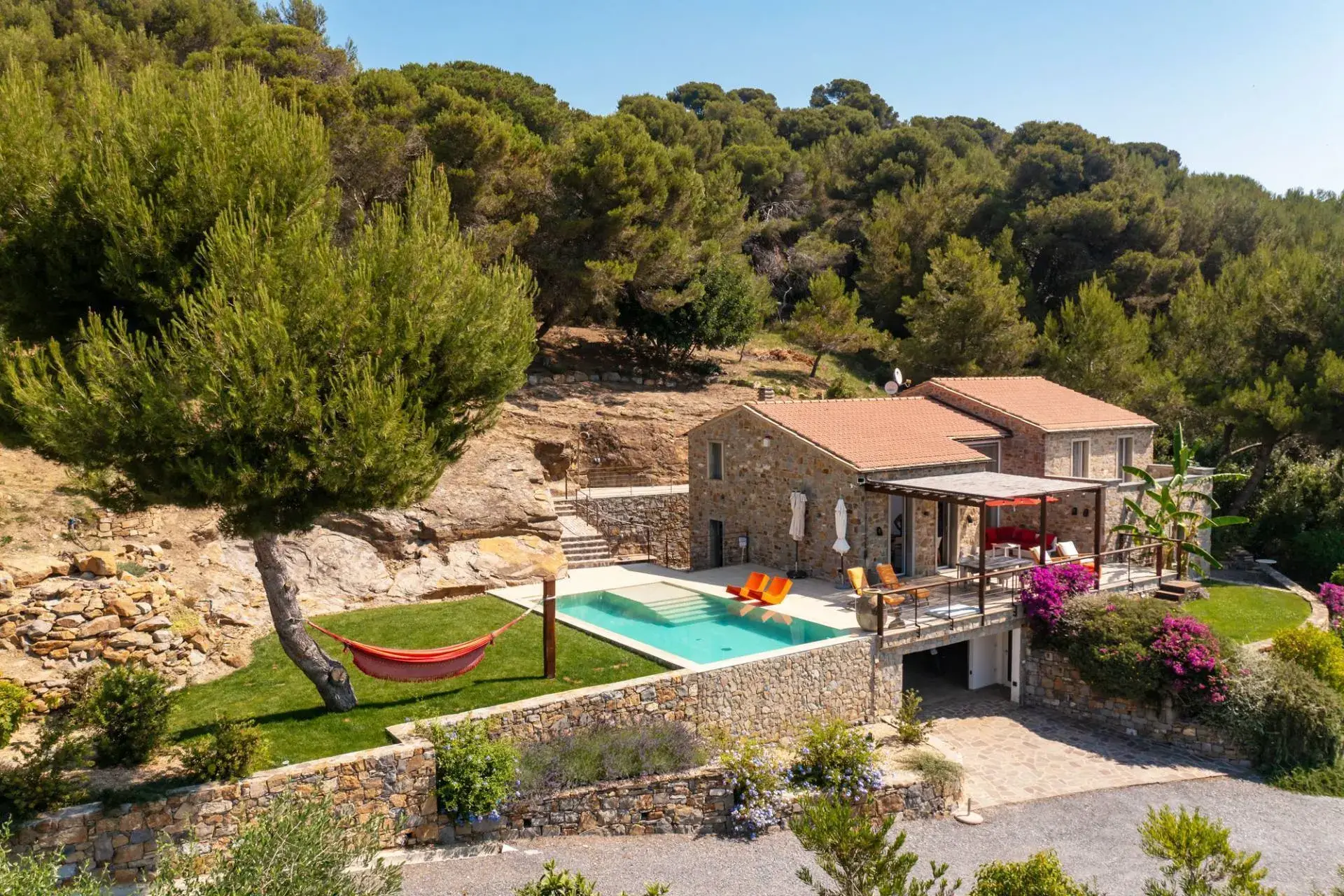
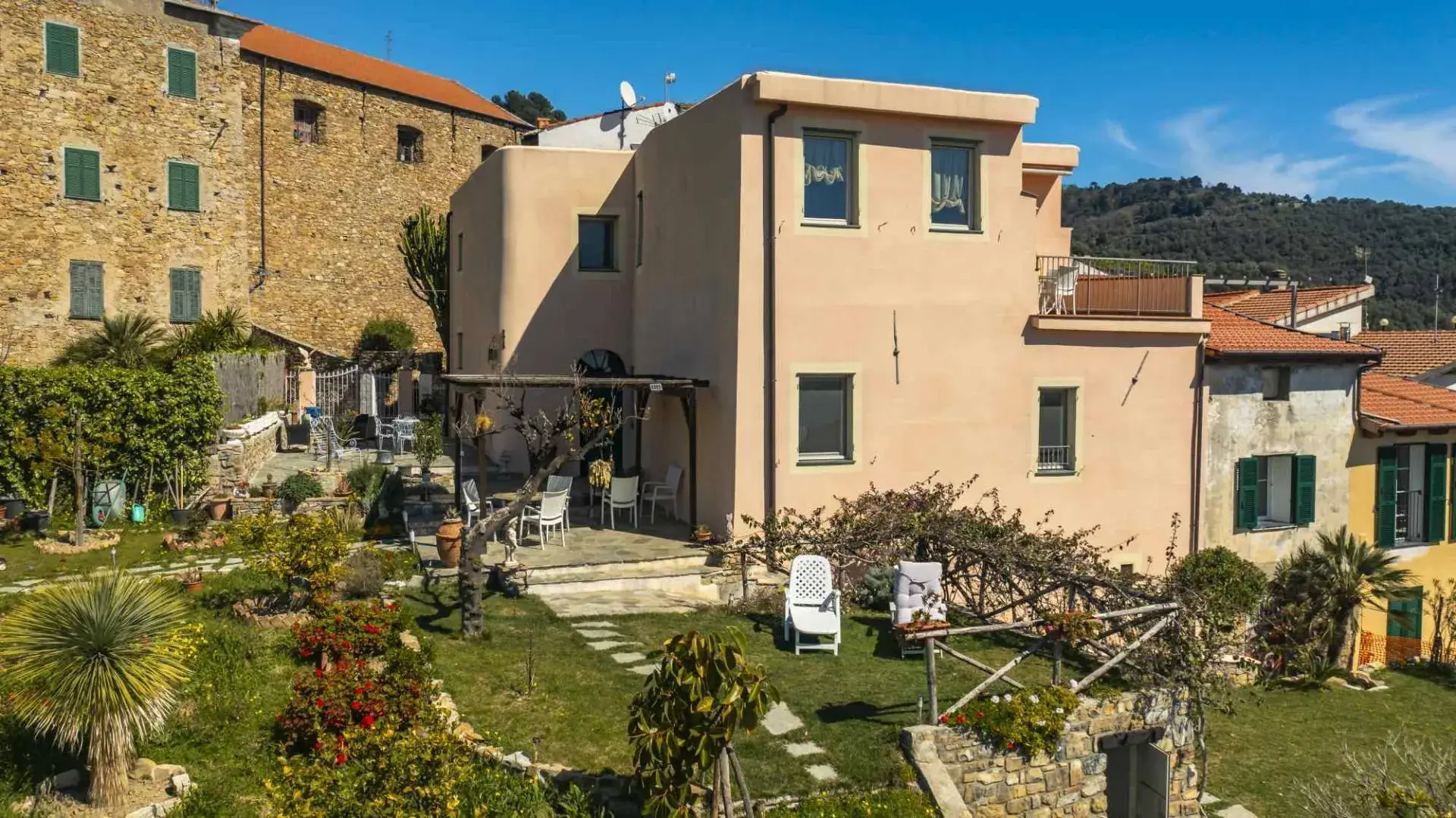
Explore Properties Along the Western Ligurian Coast
Planning a Move or Purchase on the Italian Riviera?
Speak directly with Raffaello Sappa about finding a villa or apartment between Ventimiglia, Bordighera, Sanremo and Imperia, or managing a home you already own.
- Personal reply within 24 hours
- Fluent English & Italian
- No obligation, whether ready now or planning ahead